Practical Approaches to green Living
I used to think sustainable living meant I had to become some sort of eco-warrior overnight. You know the type—composting everything, making my own toothpaste, growing all my own food. The pressure was overwhelming, and honestly? I failed spectacularly.
My first attempt at “going green” lasted exactly two weeks. I tried to overhaul everything at once: switched to homemade cleaning products (which didn’t clean anything), started composting in my tiny apartment (hello, fruit flies), and attempted to eliminate all plastic from my life immediately. My roommate Lisa found me crying over a failed batch of DIY deodorant that had given me a rash. “Maybe,” she said gently, “you’re trying to do too much at once?”
She was right. As usual.
Here’s what I learned after three years of trial and error: sustainable living isn’t about perfection. It’s about making better choices more often. And those choices need to fit your actual life, not some Instagram version of eco-living.
The breakthrough came when my colleague James mentioned his “one thing” approach. Every month, he’d pick one aspect of his routine to make more sustainable. January was switching to reusable water bottles. February was meal planning to reduce food waste. March was biking to work twice a week instead of driving.
Listen, this sounds almost too simple, but it works. When you’re only changing one thing at a time, you can actually stick with it long enough for it to become habit. Revolutionary concept, right?
My own journey started with coffee. I was buying those single-serve pods daily—terrible for the environment and expensive as hell. I invested in a French press and started buying fair-trade beans in bulk. One small change, but I felt good about it every morning.
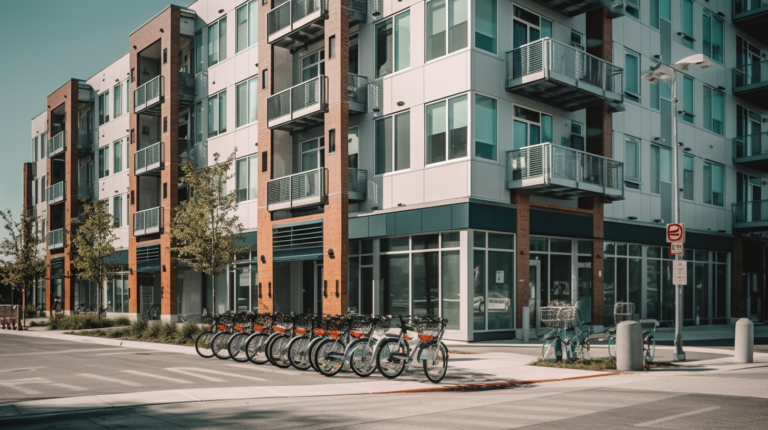
But here’s where I contradict my own advice: sometimes you need to make bigger changes to see real impact. When I moved apartments last fall, I decided to go car-free. It seemed drastic, but the timing was perfect—new neighborhood, new routines. Some changes work better as complete overhauls rather than gradual shifts.
The key is knowing yourself. Are you someone who thrives on dramatic change, or do you need to ease into new habits? My friend Sarah went zero-waste cold turkey and loved the challenge. Meanwhile, I’m still working on reducing my plastic consumption two years later, and that’s okay.
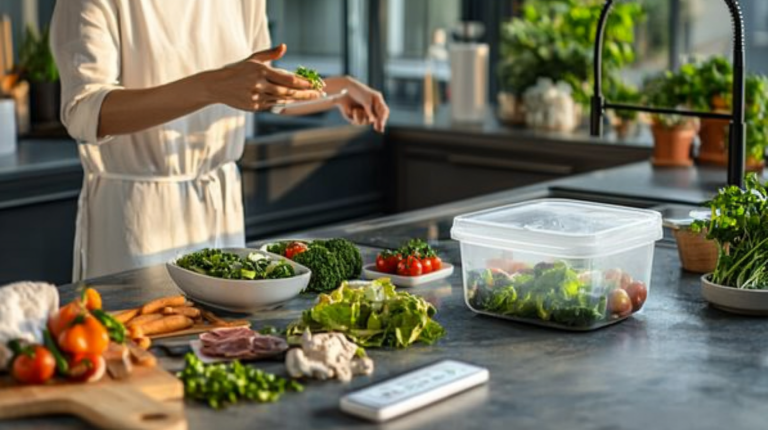
What surprised me most was how much money I started saving. Those glass food storage containers seemed expensive initially, but they’ve replaced hundreds of disposable containers. Meal planning reduced my grocery bills by about 30%. Buying quality items less frequently costs less than constantly replacing cheap stuff.
And honestly? The mental health benefits caught me off guard. There’s something deeply satisfying about aligning your actions with your values, even imperfectly. When I use my reusable bags at the store or bike instead of drive, I feel like I’m contributing to something bigger than myself.
The hardest part is dealing with the guilt when you can’t be perfect. Last week I forgot my water bottle and bought a plastic one. Old me would’ve spiraled into shame about “ruining everything.” Current me shrugged, finished the water, and recycled the bottle. Progress, not perfection.
My sister used to roll her eyes at my “eco phase,” but now she texts me for advice on sustainable swaps. The changes ripple outward in ways you don’t expect.
The truth is, sustainable living looks different for everyone. A parent of three in the suburbs has different constraints than a single person in the city. The goal isn’t to copy someone else’s approach—it’s to find what works for your life, your budget, and your values.
What’s one area where you’d like to live more sustainably? Are you ready to start small, or are you feeling bold enough for a bigger change?