Green Rentals Without The Grief
Your Future Home is Calling
(But Are You Listening?)
Whether your residence is a small studio or a three-bedroom mansion, using sustainable practices does not mean you have to break your lease or permanently alter your living environment. You can still strictly follow your rental agreement while nevertheless transforming your house into an environmentally friendly haven with the correct technique. Many renters are reluctant to embrace sustainability since they think big improvements will call for expensive repairs or significant outlay of funds. Some of the greatest environmentally friendly solutions, however, just need little tweaks to your current arrangement and basic lifestyle changes. With little to no implementation costs, these changes sometimes yield significant environmental advantages and large utility bill savings. The main qualities of sustainable rental living are its flexibility and ease of access. Your rental house can be significantly improved and changed in many none permanent ways. Moreover, these environmentally responsible choices might have a good knock-on effect on your building complex by motivating community relationships among neighbors with similar green ideals.

1.
Location Matters More Than Rent
Trust me on this one: living near green spaces isn’t just Instagram-worthy, it’s actually crucial for your eco-lifestyle because you’ll naturally walk more, breathe cleaner air, and feel way less guilty about city living. If you move out of a concrete jungle with zero green spaces — your mental health and sustainability goals will thank you for choosing areas with parks, community gardens, or at least some decent trees within walking distance.
2.
Natural Light Changes Everything
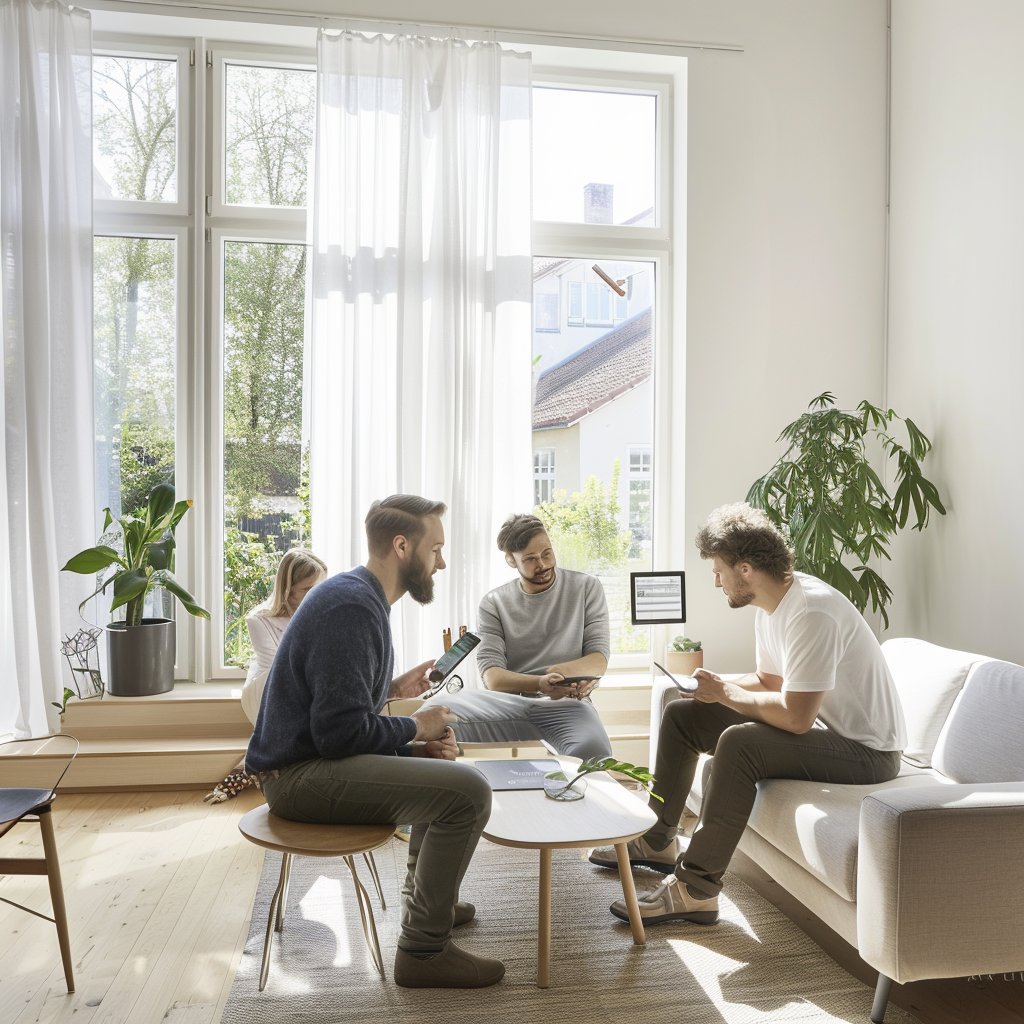
I once lived in a cave-like apartment for six months and basically turned into a vampire — good natural light isn’t just about saving on electricity, it’s about maintaining your will to live and grow actual plants successfully. Here’s something most people don’t think about: apartments with great natural light reduce your need for artificial lighting during the day, but they also make your space feel bigger, which means you’re less likely to impulse-buy stuff to fill perceived emptiness.

3.
“leases”: Permission slips for renters
I get that landlords have rules, but if they freak out about you switching to LED bulbs or adding removable window film, they’re probably going to make every aspect of green living unnecessarily difficult and stressful. Before I sign any lease now, I explicitly ask about their policy on things like weather stripping, LED bulb replacements, and removable fixtures — some landlords are surprisingly cool about improvements that add value.
4.
Building Landlord Relationships That Pay
After three years of being a model tenant who actually improved my landlord’s property value through careful upgrades, I’ve gotten approval for way more modifications than I ever expected — good relationships compound over time. Also, landlords who see you as a partner in maintaining their property (rather than just a monthly check) are more likely to work with you on efficiency improvements, and may even contribute to upgrade costs if they see the long-term benefit.
