Adaptive Living: Mastering Life’s Changes
I’ve moved seven times in the past five years. Seven! And before you ask—no, I’m not running from the law or collecting landlord horror stories (though I have a few). Life just kept… happening. Job changes, relationship shifts, family stuff. You know how it goes.
Each move taught me something different about adapting, but the biggest lesson came during my most chaotic transition last spring. I’d landed a dream job that required relocating across the country with exactly three weeks’ notice. My friend Maya thought I’d lost my mind. “You can’t possibly pack up your entire life that fast,” she said, watching me frantically sort through five years of accumulated stuff.
She was right, but she was also wrong.
Here’s what I discovered: you can’t pack up your entire life that fast, but you can pack up what actually matters. The rest? It’s just noise. That realization changed everything about how I approach change now.
The first few moves were disasters. I’d pack everything because I couldn’t decide what was important. I’d rent storage units (expensive mistake number one) and haul furniture that didn’t fit my new space (expensive mistake number two). My breakup with Derek two years ago meant moving out of our shared apartment, and I literally took everything that was “mine”—including a couch I hated but had paid for. Pride is expensive, turns out.
But somewhere around move number four, I started getting strategic. I invested in this modular storage system that could be reconfigured for any space. Game changer. No more buying new organizational systems for every apartment layout.
And here’s where conventional moving wisdom gets it wrong: you don’t need to have your “forever” style figured out. I used to stress about buying the “perfect” pieces that would work in any future home. Impossible task. Now I embrace temporary solutions and focus on functionality over permanence.
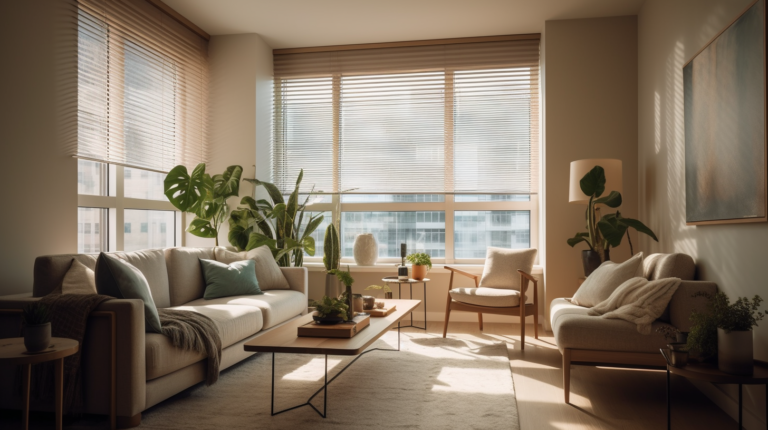
My sister Rachel thinks I’m crazy for not “settling down,” but honestly? This lifestyle has taught me things about resilience that I never would’ve learned staying in one place. When you’ve successfully created a comfortable home in seven different spaces, you realize that “home” isn’t about the physical location—it’s about the systems and routines you build.
The hardest part isn’t the logistics (though coordinating utility transfers while working full-time is its own special nightmare). It’s the emotional stuff. Leaving communities you’ve just started to build. Starting over with doctors, grocery stores, coffee shops. Finding your people again and again.
But listen—there’s magic in fresh starts that I didn’t expect. Each move has connected me with incredible people I never would’ve met otherwise. My current neighbor Tom introduced me to hiking trails I’d never have found. My previous roommate Sarah taught me to cook Indian food. These relationships happened because I was open to change, even when it felt overwhelming.
The practical stuff gets easier with experience. I keep a moving binder (okay, it’s digital now, but same concept) with templates for address changes, utility setups, and packing lists. I’ve streamlined my possessions to things that either spark joy or serve multiple functions. Or both.
Here’s my contradiction though: sometimes you need to resist change too. Not every opportunity is worth uprooting your life for. I turned down a job offer last winter because I was finally feeling settled, and that decision felt just as adaptive as all my previous moves.
The portable toolkit goes with me everywhere now—basic repair stuff, command strips, a level. When you’re constantly adapting spaces, being able to hang pictures and fix small problems immediately makes any place feel more like home faster.
But the real skill isn’t in the moving itself. It’s in staying open to possibility while building systems that work regardless of external circumstances. Whether you’re moving across the country or just navigating life changes in the same apartment, the principles are similar: hold onto what matters, let go of what doesn’t, and trust your ability to figure things out as you go.
What’s the biggest change you’ve had to adapt to recently? Are you someone who thrives on new environments, or do you prefer stability?