Green Laundry Techniques
Green Laundry Techniques Although it may appear to be a routine task, laundry has a big influence on the atmosphere in the typical home. Sustainable laundry habits might be difficult…
The Eco Friendly Renter

Green Laundry Techniques Although it may appear to be a routine task, laundry has a big influence on the atmosphere in the typical home. Sustainable laundry habits might be difficult…

Zero-Waste Bathrooms Despite being the smallest room in your rental, the bathroom frequently generates a disproportionate quantity of garbage for the entire house. Disposable items and plastic packaging contribute to…

Smart Power Strips: An Affordable Method of Cutting Phantom Energy Did you realize that even when you turn off your electronics, they still need electricity? This “phantom energy” or “vampire…

Herb Gardens That Are Rental-Friendly: New Tastes in Compact Areas One easy yet effective approach to improve your culinary experiences and lessen your environmental impact is to grow your herbs….

soundproofing Not only is noise pollution bothersome, but it’s also a real environmental and health issue that can impact our stress levels, sleep patterns, and general health. Unwanted noise can…

Let’s face it, typical cleaning tools may work, but because of their harsh chemicals, needless plastic packaging, and tendency to harm surfaces in your rental, they pose a triple threat…

Food waste is a major environmental issue because the average American tosses away 219 pounds of food annually. From this waste, landfills release methane, a greenhouse gas ten times more…

Many environmentally conscious tenants do not take advantage of collaborative consumption, which is an inherent potential for sustainable living. By intentionally sharing resources rather than duplicating them, you can significantly…

Although they might not think of it right away, renters should think of conserving water as a sustainable approach. Since the average American uses 82 gallons of water a day…

A sustainable upgrade that enhances practically every aspect of rental living is the addition of indoor plants. Beyond their visual appeal, houseplants enhance mood, increase oxygen levels, purify the air,…
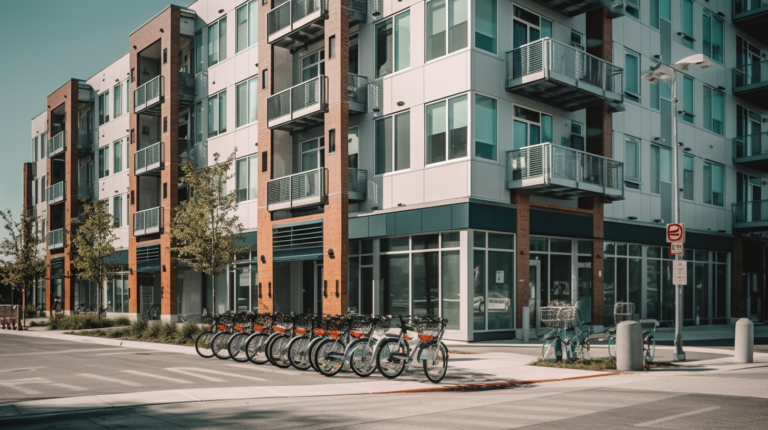
Although renting may make it more difficult to embrace sustainable mobility options, a person’s mode of transportation is one of the largest contributors to their carbon footprint. Homeowners often have…

You may reduce your environmental impact by sharing resources and dividing electricity costs with your housemates. But what happens if you don’t share your housemates’ views on sustainability? Maybe you’re…
The paper addresses doable tactics for renters to honor lease agreements, minimize environmental effects, keep pleasant living temperatures by lowering energy use.
Not only for comfort but also for health, property upkeep, and financial reasons in rental houses is temperature regulation important. Inappropriate temperature control can cause structural damage, health problems, mold growth, and high utility expenses. While humid surroundings offer perfect conditions for mildew and can harm furniture and electronics, different climates bring different concerns; frigid locations risk frozen pipes and condensation problems.
Renters should do a basic energy audit of their living space, study utility bills, know their heating and cooling systems, and take into account the orientation and surrounding environment of their rental before putting temperature control solutions into place.
The paper separates temperature control methods into those requiring landlord consent and those not. “No-permission required” changes include using thermal curtains and reflective window films, portable programmable thermostats, weatherproofing with draft stoppers and weatherstripping tape, creating temperature zones within the house, and using energy-efficient portable appliances for focused heating and cooling.
Emphasizing how renovations safeguard the property, raise its value, and draw prospective tenants, the article proposes framing conversations for changes needing landlord consent in terms of mutual benefits. Convincing landlords can be done by offering cost-benefit studies and details regarding accessible rebates or incentives.
Renters can use time-of- use pricing, change thermostat settings seasonally, use fans strategically, control humidity levels, and make use of energy monitoring tools to help to cut utility expenditures. Extra help can come from community resources, including energy cooperatives and weatherizing projects.
Beyond temperature control, complementary sustainable practices include water heating efficiency, energy-efficient lighting, proper appliance management, including plants for natural temperature control, seasonal adaptations in bedding and clothing, and lowering of heat generation from electronics.
The paper also lists portable green technology fit for renters, including smart home devices, evaporative coolers, portable heat pump air conditioners, balcony solar panel kits, and personal comfort devices. Through energy savings, these investments offer value and can be moved with renters to future houses.
Ultimately, environmentally friendly but also pragmatic sustainable temperature control for tenants improves comfort, safeguards health, lowers expenses, and helps to protect the environment. Renters can acquire transferable skills and habits by applying these techniques and help the more general movement for housing sustainability.
The paper addresses doable tactics for renters to honor lease agreements, minimize environmental effect, keep pleasant living temperatures by lowering energy use.
Not only for comfort but also for health, property upkeep, and financial reasons in rental houses is temperature regulation important. Inappropriate temperature control can cause structural damage, health problems, mold growth, and high utility expenses. While humid surroundings offer perfect conditions for mildew and can harm furniture and electronics, different climates bring different concerns; frigid locations risk frozen pipes and condensation problems.
Renters should do a basic energy audit of their living space, study utility bills, know their heating and cooling systems, and take into account the orientation and surrounding environment of their rental before putting temperature control solutions into place.
The paper separates temperature control methods into those requiring landlord consent and those not. “No-permission required” changes include using thermal curtains and reflective window films, portable programmable thermostats, weatherproofing with draft stoppers and weatherstripping tape, creating temperature zones within the house, and using energy-efficient portable appliances for focused heating and cooling.
Emphasizing how renovations safeguard the property, raise its value, and draw prospective tenants, the article proposes framing conversations for changes needing landlord consent in terms of mutual benefits. Convincing landlords can be done by offering cost-benefit studies and details regarding accessible rebates or incentives.
Renters can use time-of- use pricing, change thermostat settings seasonally, use fans strategically, control humidity levels, and make use of energy monitoring tools to help to cut utility expenditures. Extra help can come from community resources including energy cooperatives and weatherizing projects.
Beyond temperature control, complementary sustainable practices include water heating efficiency, energy-efficient lighting, proper appliance management, including plants for natural temperature control, seasonal adaptations in bedding and clothing, and lowering of heat generating from electronics.
The paper also lists portable green technology fit for renters including smart home devices, evaporative coolers, portable heat pump air conditioners, balcony solar panel kits, and personal comfort devices. Through energy savings, these investments offer value and can be moved with renters to future houses.
Ultimately, environmentally friendly but also pragmatic sustainable temperature control for tenants improves comfort, safeguards health, lowers expenses, and helps to protect the environment. Renters can acquire transferable skills and habits by applying these techniques and help the more general movement for housing sustainability.